
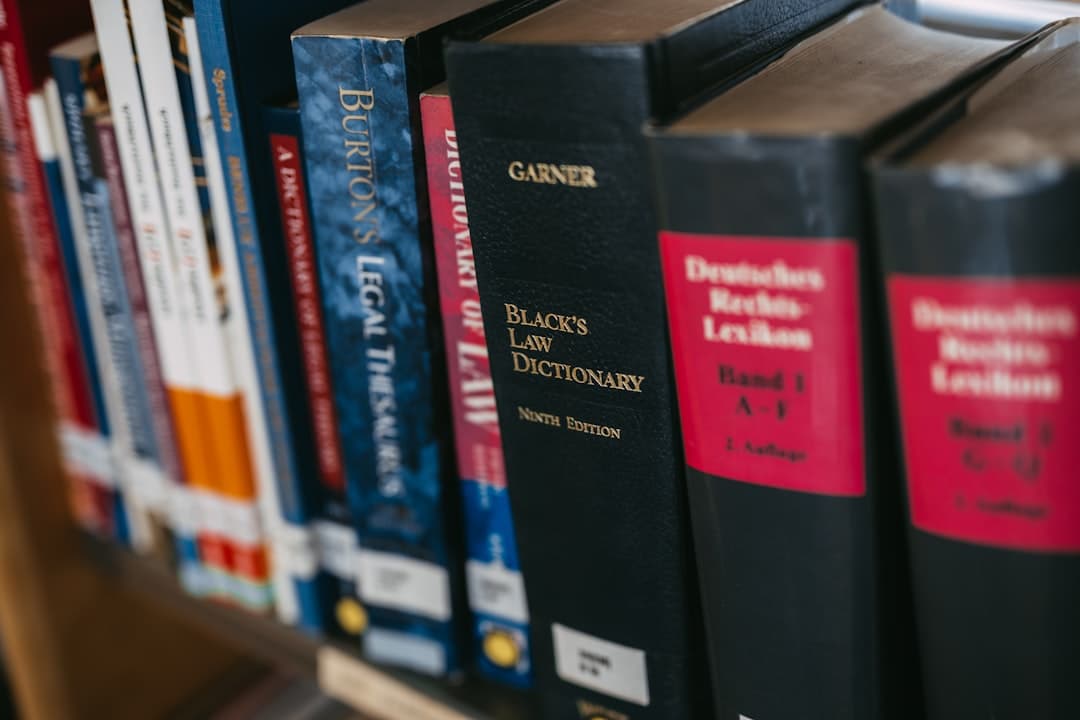
How Law Students Use Transcription Tools to Ace Exams

Three hundred pages of reading. Per week. That's the reality of law school. Your Constitutional Law professor just spent 90 minutes dissecting Marbury v. Madison, connecting it to six other cases you barely remember reading. Your hand cramped up twenty minutes in. And finals are in eight weeks.
This is why law students are turning to transcription tools in record numbers. Not as a shortcut, but as a survival strategy that actually improves learning.
The legal profession has always been about words - precise, specific, carefully chosen words. It makes sense that the most successful law students are learning to capture those words automatically, freeing their brains to actually understand the law rather than frantically scribbling.
Quick Navigation
- Why Law School Demands Better Tools
- How Transcription Changes Legal Education
- Key Use Cases for Law Students
- The Case Briefing Revolution
- Choosing the Right Transcription Tool
- Building Your Law School Transcription System
- Common Mistakes to Avoid
- Real Results from Real Law Students
Why Law School Demands Better Tools
Law school isn't just hard. It's a fundamentally different kind of learning than anything you've done before.
The Volume Problem
According to data from the Law School Admission Council, first-year law students average 15-20 hours of reading per week outside of class. That's on top of lectures, legal writing assignments, and the dreaded Socratic method preparation.
Your brain can only process so much. When you're simultaneously trying to:
- Understand complex legal reasoning
- Note the professor's analysis
- Connect cases to each other
- Prepare for being called on randomly
Something has to give. Usually, it's comprehension.
The Precision Problem
In most subjects, getting the general idea is enough. Not in law. The difference between "actual malice" and "negligent disregard" isn't academic - it's the difference between winning and losing a defamation case. Between a client's freedom and their imprisonment.
Law professors know this. They speak precisely. They expect you to catch every distinction, every qualifier, every "but consider..." And they'll call on you tomorrow to explain exactly what they said.
The Recall Problem
Here's what the research shows: according to studies on memory and learning, students who take notes by hand remember concepts better than those who type. But they capture less information.
For law school, you need both. You need to capture the precise language while also understanding the concepts. Transcription tools let you have it both ways.
How Transcription Changes Legal Education
When you have a complete, searchable record of every lecture, something fundamental shifts in how you learn.
Active vs. Passive Learning
Without transcription, you're playing defense. You're trying not to miss anything, which means you're not fully engaging with the material. You're a court reporter, not a legal analyst.
With transcription running, you can actually participate. You can think about whether the professor's analysis makes sense. You can formulate questions. You can see connections to other cases.
The recording becomes your safety net, freeing you to learn actively.
Searchable Knowledge Base
By the end of 1L, you'll have hundreds of hours of lectures. Without transcription, that knowledge is locked away in audio files you'll never have time to re-listen to.
With transcription, you have a searchable database of everything your professors said. Looking for every time your Torts professor mentioned "proximate cause"? That's a two-second search instead of a two-hour listening session.
Personalized Study Materials
Your professor's explanations are tailored to your class, your textbook, your knowledge level. Commercial outlines are generic. Transcripts of your actual lectures become the most valuable study materials you have.
Key Use Cases for Law Students
Let's get specific about how law students actually use transcription tools.
Lecture Capture
This is the obvious one, but it's transformative. Here's a typical workflow:
- Before class: Brief your assigned cases using the traditional IRAC method
- During class: Record the lecture while taking minimal handwritten notes on key points
- After class: Review the transcript, highlighting your professor's analysis and any issues they flagged
- Before exams: Search transcripts for specific topics, create summaries using AI tools
The key insight: you're not replacing note-taking. You're augmenting it. Your handwritten notes capture your thinking. The transcript captures everything else.
Office Hours and Review Sessions
These informal sessions are often where professors reveal what they actually care about for exams. But they feel casual, so students don't take detailed notes.
Record them. Transcribe them. You'll often find exam hints hidden in casual comments like "This is the kind of analysis I look for..." or "Students often miss this point..."
Study Group Sessions
When four law students discuss a case, each person catches different nuances. But everyone's too busy talking to write down what others say.
Recording and transcribing study sessions creates a collaborative knowledge base. That insight your study partner had about Pennoyer v. Neff? It's preserved and searchable, not lost to memory.
Legal Writing Preparation
Oral arguments and writing exercises benefit from transcription in both directions. Transcribe your own practice sessions to identify verbal tics. Transcribe feedback sessions to capture exactly what your professor wants.
The Case Briefing Revolution
Case briefing is the foundation of legal education. And it's incredibly time-consuming. Here's how transcription tools are changing the game.
Traditional Briefing
The standard approach:
| Section | What You Capture |
|---|---|
| Case Name & Citation | Identification information |
| Facts | Relevant background |
| Procedural History | How the case reached this court |
| Issue | The legal question presented |
| Holding | The court's answer |
| Reasoning | Why the court decided as it did |
| Rule | The legal principle established |
Reading a case, extracting this information, and writing it up can take 30-60 minutes per case. With 5-10 cases per class, the math doesn't work.
Transcription-Assisted Briefing
Here's the new workflow:
- Read the case actively, understanding the story
- Record yourself summarizing each brief section verbally
- Transcribe your verbal summary
- Edit the transcript into your brief
This approach is faster because speaking is faster than writing. Most people can speak 125-150 words per minute but only type 40 words per minute. And the verbal processing helps cement understanding.
Some students go further, dictating their analysis as they read, creating a real-time commentary that becomes their brief.
Connecting Cases to Lectures
The real power comes from connecting your case briefs to your lecture transcripts. When your professor discusses a case you've briefed, you can:
- Compare your understanding to theirs
- Note points you missed
- Add their analysis to your brief
- Create hyperlinks between related materials
This is how commercial study supplements are built. You're just building your own, customized version.
Choosing the Right Transcription Tool
Not all transcription tools work well for legal education. Here's what to look for.
Essential Features for Law Students
Accuracy with Legal Terminology: General transcription tools struggle with Latin phrases, case names, and legal terms. You need something that knows "stare decisis" isn't "starry decisis."
Speaker Identification: In study groups and seminars, knowing who said what matters. Look for tools that distinguish speakers.
Long Recording Support: Law lectures can run 90 minutes or more. Some tools have duration limits or quality degradation on long recordings.
Searchable Output: The whole point is finding information later. Your tool should produce text you can search, not just audio you can replay.
Export Flexibility: You'll want to move transcripts into your outlining software, study materials, and exam prep documents.
Top Options for Law Students
Our free transcription tool handles legal terminology well and produces clean, searchable transcripts. It's particularly good for lecture recordings where accuracy matters.
For real-time transcription during class, options like Otter.ai can show you text as it's spoken. This is useful for following along but may be distracting.
Rev offers professional human transcription for critical recordings like moot court performances or thesis interviews where perfect accuracy is essential.
The best choice depends on your workflow. Most students use AI transcription for daily lectures and reserve human transcription for high-stakes situations.
Building Your Law School Transcription System
Having the right tools isn't enough. You need a system.
The Pre-Class Ritual
Before each class:
- Create a folder for that day's recording
- Name it with the course, date, and topic: "ConLaw_2026-02-23_CommerceClause"
- Brief your cases using the transcription-assisted method
- Note specific questions you want answered
The In-Class Protocol
During class:
- Start recording at the beginning, even during announcements
- Take minimal handwritten notes focusing on your questions and insights
- Mark timestamps (most apps let you bookmark) when the professor makes key points
- Don't stress about capturing everything - the recording has it
The Post-Class Process
This is where the magic happens. Within 24 hours of class:
- Generate transcript: Run your recording through your transcription tool
- Quick skim: Read through to ensure accuracy and catch any major errors
- Highlight key passages: Mark the professor's analysis of each case
- Add to outline: Copy relevant sections to your course outline
- Note questions: Flag anything you still don't understand
Spending 20-30 minutes on post-class processing saves hours during exam prep.
The Exam Prep Strategy
Two weeks before finals:
- Export all transcripts for the course
- Search for specific topics on the exam outline
- Create summary documents pulling from multiple lectures
- Use our meeting summary generator to condense transcripts
- Cross-reference with your handwritten notes and case briefs
You're not starting from scratch. You're organizing months of captured knowledge.
Common Mistakes to Avoid
Even with great tools, law students make predictable errors.
Recording Without Processing
A transcript you never read is worthless. Set aside time for post-class processing or the recordings just pile up, creating guilt without value.
Solution: Block 30 minutes after each class for transcript review. Make it non-negotiable.
Over-Relying on Transcripts
Transcripts capture what was said, not what you understood. If you just read transcripts passively, you're not learning - you're just consuming words.
Solution: Always process transcripts actively. Highlight, annotate, summarize in your own words.
Ignoring Privacy and Permission
Not all professors allow recording. Some schools have policies. Recording without permission can result in serious consequences.
Solution: Always ask. Most professors allow it, especially if you explain you're using it for study purposes, not distribution.
Technical Failures at the Worst Time
Your phone dies during the most important lecture. Your cloud storage is full. The app crashes.
Solution: Build redundancy. Charge before class. Check storage. Use multiple recording methods for critical sessions.
Skipping Handwritten Notes Entirely
The research is clear: handwriting helps encoding. Students who abandon handwriting entirely often find their comprehension drops.
Solution: Transcription supplements handwriting; it doesn't replace it. Keep taking brief notes by hand.
Real Results from Real Law Students
The evidence goes beyond anecdotes. Law students using transcription tools consistently report:
Time Savings: Average of 3-5 hours per week saved on note transcription and lecture review
Improved Exam Performance: Studies at several law schools show GPA improvements of 0.2-0.4 points among consistent transcription users
Reduced Stress: Knowing nothing is lost reduces anxiety during fast-paced lectures
Better Class Participation: Freedom to engage rather than frantically note-taking leads to more confident participation
Superior Outlines: Outlines built from searchable transcripts are more comprehensive and better organized
One student put it simply: "I stopped trying to be a stenographer and started trying to be a lawyer. The transcription handles the stenography."
Getting Started Today
You don't need to overhaul your entire study system. Start small:
- This week: Record one lecture and transcribe it using our free tool
- Next week: Develop your post-class processing routine
- Month one: Build a searchable library of all your lectures
- Finals season: Watch your preparation transform
Law school is hard enough without fighting your tools. Transcription won't make the reading easier or the Socratic method less terrifying. But it will ensure that when you do the work of attending class and engaging with the material, that work isn't lost.
The best lawyers are precise with language. They capture exactly what's said and remember it when it matters. That's exactly what transcription tools help you become.
Start building your searchable legal knowledge base today. Your future self, the one sitting down for the bar exam, will thank you.

Jack is a software engineer that has worked at big tech companies and startups. He has a passion for making other's lives easier using software.