
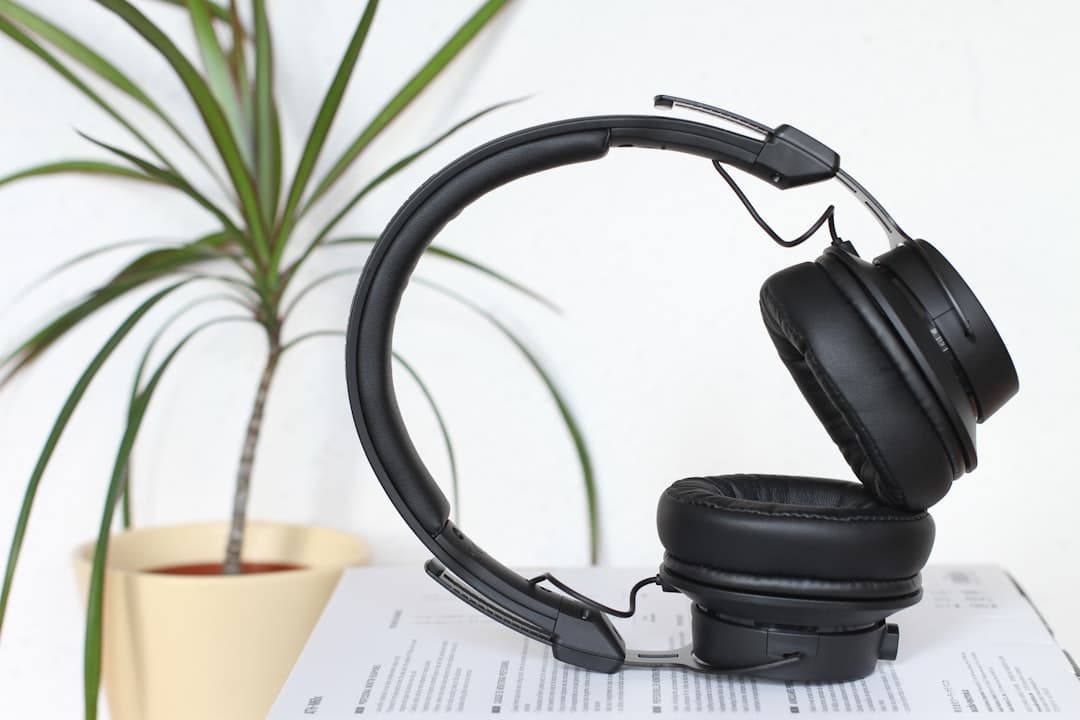
Cách Sử Dụng Ghi Âm Giọng Nói Để Học Ngoại Ngữ: Hướng Dẫn Toàn Diện

Bạn đã học tiếng Tây Ban Nha được hai năm. Bạn nắm vững ngữ pháp. Bạn đã ghi nhớ hàng trăm từ vựng. Nhưng khi thực sự cố gắng nói, đầu óc bạn trống rỗng và giọng của bạn chẳng giống người bản xứ chút nào.
Đây chính là khoảng cách trong việc học ngôn ngữ - sự khác biệt giữa biết một ngôn ngữ và nói được nó. Sách giáo khoa và ứng dụng rất tốt để xây dựng kiến thức, nhưng chúng không rèn luyện miệng hay tai của bạn. Đó là lúc ghi âm giọng nói phát huy tác dụng.
<a href="https://www.cambridge.org/core/journals/studies-in-second-language-acquisition" target="_blank" rel="noopener noreferrer">Nghiên cứu về thụ đắc ngôn ngữ thứ hai</a> liên tục cho thấy rằng sản xuất chủ động - thực sự nói - là điều cần thiết cho sự lưu loát. Tuy nhiên, hầu hết người học dành 90% thời gian cho các hoạt động thụ động như đọc và nghe. Ghi âm giọng nói đảo ngược tỷ lệ này bằng cách giúp việc luyện nói trở nên dễ tiếp cận mọi lúc, mọi nơi.
Hướng dẫn này chỉ cho bạn chính xác cách sử dụng ghi âm giọng nói để tăng tốc việc học ngoại ngữ, từ luyện phát âm đến ôn tập từ vựng đến thực hành hội thoại.
Điều Hướng Nhanh
- Tại Sao Ghi Âm Giọng Nói Hiệu Quả Cho Việc Học Ngôn Ngữ
- Các Kỹ Thuật Ghi Âm Giọng Nói Cơ Bản
- Phương Pháp Shadowing
- Hệ Thống Ghi Âm Từ Vựng
- Luyện Phát Âm
- Mô Phỏng Hội Thoại
- Sử Dụng AI Để Tăng Cường Thực Hành
- Xây Dựng Thói Quen Luyện Giọng Hàng Ngày
- Những Sai Lầm Thường Gặp Cần Tránh
Tại Sao Ghi Âm Giọng Nói Hiệu Quả Cho Việc Học Ngôn Ngữ
Trước khi đi vào các kỹ thuật, hãy hiểu tại sao ghi âm giọng nói lại hiệu quả đến vậy cho việc thụ đắc ngôn ngữ.
Học Chủ Động so với Thụ Động
Não bộ của bạn xử lý sản xuất chủ động khác với nhận diện thụ động. Khi bạn nói, bạn không chỉ truy xuất thông tin - bạn đang phối hợp cơ, nhịp điệu, ngữ điệu và ý nghĩa cùng lúc.
<a href="https://www.ncbi.nlm.nih.gov/pmc/articles/PMC4141622/" target="_blank" rel="noopener noreferrer">Các nghiên cứu về học vận động</a> cho thấy rằng thực hành đầu ra tạo ra các đường dẫn thần kinh mạnh hơn so với chỉ tiếp nhận đầu vào. Nói một từ kích hoạt nhiều vùng não hơn so với nghe nó, dẫn đến khả năng ghi nhớ tốt hơn và nhớ lại nhanh hơn.
Ghi âm giọng nói cho phép bạn thực hành đầu ra liên tục. Đang chờ xe buýt? Ghi âm bản thân mô tả những gì bạn thấy. Đang nấu ăn? Tường thuật công thức bằng ngôn ngữ mục tiêu. Mỗi bản ghi âm là thực hành chủ động giúp tăng cường khả năng nói của bạn.
Sức Mạnh Của Việc Tự Giám Sát
Hầu hết người học không bao giờ nghe giọng nói của chính mình. Họ thực hành trong đầu, nơi mọi thứ nghe có vẻ ổn, rồi đóng băng khi thực sự mở miệng.
Ghi âm bản thân tạo ra một vòng phản hồi. Bạn nghe chính xác mình phát âm như thế nào - những lần ngập ngừng, lỗi phát âm, cách diễn đạt vụng về. Sự nhận thức này có thể không thoải mái nhưng cần thiết để tiến bộ.
<a href="https://www.researchgate.net/publication/259449155_Self-monitoring_in_second_language_learning" target="_blank" rel="noopener noreferrer">Nghiên cứu về tự giám sát</a> cho thấy rằng người học thường xuyên xem lại giọng nói của mình cải thiện phát âm nhanh hơn những người chỉ nhận phản hồi từ bên ngoài.
Thực Hành Mọi Lúc, Mọi Nơi
Thực hành nói truyền thống đòi hỏi một đối tác, gia sư hoặc lớp học. Ghi âm giọng nói chỉ cần điện thoại của bạn.
Sự tiện lợi này biến thời gian chết thành thời gian thực hành. Chuyến đi làm của bạn trở thành buổi luyện phát âm. Khi tắm trở thành lúc ôn tập từ vựng. Đi dạo trở thành mô phỏng hội thoại.
Những người học đạt được sự lưu loát không nhất thiết phải tài năng hơn - họ chỉ đơn giản thực hành nhiều hơn. Ghi âm giọng nói loại bỏ rào cản lớn nhất để thực hành: khả năng tiếp cận.
Các Kỹ Thuật Ghi Âm Giọng Nói Cơ Bản
Dưới đây là các kỹ thuật nền tảng mà mọi người học ngôn ngữ nên sử dụng với ghi âm giọng nói.
Kỹ Thuật 1: Mô Tả Hàng Ngày
Ghi âm bản thân mô tả điều gì đó bằng ngôn ngữ mục tiêu trong 2-3 phút mỗi ngày.
Các chủ đề để mô tả:
- Bạn đã làm gì hôm qua
- Bạn dự định làm gì hôm nay
- Những gì bạn thấy xung quanh
- Một ký ức thời thơ ấu
- Ý kiến của bạn về một sự kiện thời sự
Đừng lo lắng về sự hoàn hảo. Mục tiêu là sự lưu loát - khả năng tạo ra ngôn ngữ mà không cần dừng lại để suy nghĩ. Ngập ngừng cũng được. Sai sót cũng được. Điều quan trọng là thực hành liên tục.
Mẹo ôn tập: Nghe lại các bản ghi âm từ một tháng trước. Bạn sẽ nghe thấy sự tiến bộ mà bạn không nhận ra ngày qua ngày, điều này cực kỳ tạo động lực.
Kỹ Thuật 2: Ghi Âm Từ Vựng Mỗi Ngày
Khi bạn học một từ mới, đừng chỉ viết nó ra - hãy ghi âm nó.
Với mỗi từ mới, ghi âm:
- Từ được phát âm rõ ràng
- Nghĩa của nó bằng ngôn ngữ mục tiêu (nếu có thể)
- Ba câu ví dụ sử dụng từ đó
- Một kết nối cá nhân hoặc cách ghi nhớ
Việc này mất khoảng 60 giây cho mỗi từ. Theo thời gian, bạn xây dựng một từ điển âm thanh cá nhân mà bạn có thể ôn tập trong khi đi làm hoặc tập thể dục.
Kỹ Thuật 3: Thực Hành Hỏi Đáp
Ghi âm bản thân hỏi và trả lời câu hỏi.
Ví dụ (học tiếng Pháp): "Qu'est-ce que tu as fait ce week-end?" [tạm dừng] "Ce week-end, je suis allé au marché et j'ai acheté des légumes frais."
Điều này mô phỏng hội thoại mà không cần đối tác. Não bộ của bạn thực hành cả hỏi và trả lời, xây dựng khả năng phản ứng tự phát mà bạn cần trong các cuộc hội thoại thực tế.
Kỹ Thuật 4: Ghi Âm Sửa Lỗi
Khi bạn mắc lỗi, ghi âm phần sửa ngay lập tức.
Quy trình:
- Nói phiên bản sai
- Nói "Không" hoặc tín hiệu sửa tương đương
- Nói phiên bản đúng hai lần
- Sử dụng dạng đúng trong một câu mới
Kỹ thuật này tận dụng <a href="https://www.sciencedirect.com/science/article/abs/pii/S0346251X16301798" target="_blank" rel="noopener noreferrer">học tập dựa trên lỗi</a>, trong đó sự tương phản giữa sai và đúng củng cố trí nhớ.
Phương Pháp Shadowing
Shadowing là kỹ thuật giọng nói mạnh mẽ nhất để cải thiện phát âm và sự lưu loát. Đây là cách thực hiện với ghi âm giọng nói.
Shadowing Là Gì?
Shadowing có nghĩa là nghe giọng nói bản xứ và lặp lại đồng thời, như cái bóng theo sát một người. Bạn không chờ câu kết thúc - bạn nói cùng với âm thanh, chậm hơn một chút.
Kỹ thuật này được sử dụng bởi các phiên dịch viên chuyên nghiệp và đã được <a href="https://www.tandfonline.com/doi/abs/10.1080/17501229.2017.1359275" target="_blank" rel="noopener noreferrer">nghiên cứu rộng rãi</a> cho việc học ngôn ngữ. Nó cải thiện phát âm, ngữ điệu, nhịp điệu và khả năng nghe hiểu cùng một lúc.
Shadowing Với Ghi Âm Giọng Nói
Thiết lập:
- Tìm âm thanh có bản ghi (podcast, sách nói, YouTube có phụ đề)
- Chọn một đoạn 30-60 giây
- Nghe hai lần mà không nói để hiểu ý nghĩa
Thực hành:
- Phát âm thanh
- Bắt đầu ghi âm bản thân
- Lặp lại mọi thứ bạn nghe, chậm hơn người nói một chút
- Cố gắng khớp phát âm, tốc độ và cảm xúc của họ
Ôn tập:
- Nghe lại bản ghi âm của bạn
- So sánh với bản gốc
- Ghi chú các âm hoặc mẫu cụ thể khác biệt
- Shadow lại đoạn đó, tập trung vào các vùng có vấn đề
Bắt đầu với âm thanh chậm, rõ ràng. Khi bạn tiến bộ, chuyển sang giọng nói nhanh hơn, tự nhiên hơn. Mục tiêu là cuối cùng shadow được các cuộc hội thoại bản xứ ở tốc độ đầy đủ.
Nguồn Tài Liệu Shadowing
Người mới bắt đầu:
- Podcast học ngôn ngữ (phát âm chậm, rõ ràng)
- Sách nói cho trẻ em
- Podcast Tin Tức Chậm [Ngôn ngữ]
Trung cấp:
- Ted Talks có bản ghi
- Sách nói của những câu chuyện quen thuộc
- Podcast phỏng vấn
Nâng cao:
- Phim và chương trình TV
- Podcast bản xứ nói nhanh
- Hài độc thoại (để luyện nhịp và cách trình bày)
Hệ Thống Ghi Âm Từ Vựng
Hầu hết các hệ thống từ vựng dựa vào thẻ ghi nhớ. Ghi âm giọng nói tạo ra một giải pháp thay thế mạnh mẽ hơn, rèn luyện sản xuất, không chỉ nhận diện.
Phương Pháp Thẻ Ghi Nhớ Âm Thanh
Tạo các bản ghi âm hoạt động như thẻ ghi nhớ âm thanh:
Cấu trúc ghi âm:
- Từ bằng ngôn ngữ mẹ đẻ của bạn (hoặc định nghĩa bằng ngôn ngữ mục tiêu)
- Tạm dừng ba giây
- Từ bằng ngôn ngữ mục tiêu, phát âm rõ ràng
- Một câu ví dụ sử dụng từ đó
- Tạm dừng ba giây nữa để bạn phản hồi trước từ tiếp theo
Nghe trong khi đi làm, tập thể dục hoặc làm việc nhà. Trong lúc tạm dừng, cố gắng nhớ lại và nói từ đó trước khi bạn nghe thấy. Việc nhớ lại chủ động này hiệu quả hơn nhiều so với ôn tập thụ động.
Lặp Lại Ngắt Quãng Với Ghi Âm Giọng Nói
Kết hợp ghi âm giọng nói với các nguyên tắc lặp lại ngắt quãng:
Ngày 1: Ghi âm 10 từ mới với đầy đủ ngữ cảnh Ngày 2: Nghe và lặp lại tất cả 10 từ Ngày 4: Nghe lại, cố gắng nói từ trước khi bạn nghe thấy chúng Ngày 7: Chỉ ôn lại những từ bạn ngập ngừng Ngày 14: Ôn tập cuối cùng các từ khó
Các công cụ như dịch vụ phiên âm của chúng tôi có thể chuyển đổi danh sách từ vựng âm thanh của bạn thành văn bản có thể tìm kiếm, giúp dễ dàng tìm và ôn tập các từ cụ thể.
Ghi Âm Theo Ngữ Cảnh
Đừng ghi âm các từ riêng lẻ - ghi âm chúng trong ngữ cảnh.
Thay vì: "Casa... nhà"
Ghi âm: "Cuando era niño, mi casa estaba cerca del mar. Recuerdo el olor del agua salada. Bây giờ tôi sống trong căn hộ - un apartamento - trong thành phố, nhưng tôi nhớ ngôi nhà thời thơ ấu."
Câu chuyện tạo ra các kết nối cảm xúc và minh họa cách sử dụng, dẫn đến khả năng ghi nhớ tốt hơn so với các cặp từ riêng lẻ.
Luyện Phát Âm
Phát âm là nơi ghi âm giọng nói mang lại giá trị rõ ràng nhất. Đây là cách cải thiện một cách có hệ thống.
Bài Tập Tách Âm
Xác định các âm trong ngôn ngữ mục tiêu không tồn tại trong ngôn ngữ mẹ đẻ của bạn. Tạo các bản ghi âm riêng tập trung vào những âm này.
Với mỗi âm khó:
- Ghi âm bản thân nói các cặp tối thiểu (các từ khác nhau bởi một âm)
- Ghi âm các từ chứa âm đó ở các vị trí khác nhau (đầu, giữa, cuối)
- Ghi âm các câu chứa nhiều âm đó
- So sánh với các bản ghi âm bản xứ
Ví dụ (luyện âm R cuốn lưỡi tiếng Tây Ban Nha):
"Perro, pero. Carro, caro. Barra, vara." "El perro rojo corre rápidamente."
Lập Bản Đồ Ngữ Điệu
Ngữ điệu - giai điệu của giọng nói - thường quan trọng hơn các âm riêng lẻ để được hiểu.
Kỹ thuật thực hành:
- Tìm một đoạn âm thanh bản xứ ngắn (10-15 giây)
- Nghe ba lần, chỉ tập trung vào các mẫu cao độ
- Ngân nga giai điệu mà không có từ
- Ghi âm bản thân ngân nga
- Bây giờ thêm từ trong khi duy trì giai điệu
- So sánh với bản gốc
Kỹ thuật này giúp bạn nội hóa "âm nhạc" của ngôn ngữ, điều thường khiến người không phải bản xứ nghe có vẻ lạ ngay cả khi các âm riêng lẻ của họ đúng.
Các Câu Nói Lắp
Mỗi ngôn ngữ đều có các câu nói lắp được thiết kế để luyện các âm khó. Ghi âm bản thân thử chúng hàng ngày.
Quy trình:
- Bắt đầu chậm, ưu tiên độ chính xác
- Dần dần tăng tốc độ
- Ghi âm nhiều lần thử trong một buổi
- Nghe lại để theo dõi sự tiến bộ
Các câu nói lắp cũng là tài liệu shadowing tuyệt vời khi bạn có thể nói chúng chậm.
Mô Phỏng Hội Thoại
Bạn có thể thực hành hội thoại một mình bằng ghi âm giọng nói. Nó không tốt bằng có đối tác thực sự, nhưng tốt hơn nhiều so với không làm gì.
Phương Pháp Ghi Âm Chia Đôi
Ghi âm hai bản ghi âm riêng biệt:
- Track câu hỏi: Ghi âm một loạt câu hỏi mà người bản xứ có thể hỏi bạn
- Track câu trả lời: Ghi âm bản thân trả lời những câu hỏi đó
Để các khoảng dừng tự nhiên. Làm cho các câu hỏi ngày càng thách thức hơn. Bao gồm các câu hỏi tiếp theo đòi hỏi bạn mở rộng câu trả lời.
Kịch Bản Nhập Vai
Tạo các bản ghi âm mô phỏng các tình huống thực tế:
- Gọi món tại nhà hàng
- Làm thủ tục nhận phòng khách sạn
- Hỏi đường
- Trò chuyện xã giao tại buổi tiệc
- Giải thích công việc của bạn
- Mô tả một vấn đề
Với mỗi kịch bản, ghi âm cả hai bên của cuộc hội thoại. Thực hành cho đến khi bạn có thể chuyển đổi giữa các vai trôi chảy.
Ghi Âm Suy Nghĩ Thành Tiếng
Tường thuật suy nghĩ của bạn trong suốt các hoạt động hàng ngày:
"Tôi đang pha cà phê. Đầu tiên, tôi cần xay hạt. Máy xay đâu rồi? À, nó ở sau máy nướng bánh. Bây giờ tôi sẽ đo... khoảng hai thìa..."
Thực hành dòng ý thức này xây dựng sự linh hoạt tinh thần cần thiết cho các cuộc hội thoại thực tế, nơi bạn không thể dự đoán chủ đề nào sẽ xuất hiện.
Sử Dụng AI Để Tăng Cường Thực Hành
Các công cụ AI hiện đại biến đổi cách bạn có thể sử dụng ghi âm giọng nói cho việc học ngôn ngữ.
Phiên Âm AI Để Ôn Tập
Ghi âm bản thân rất mạnh mẽ. Có thể nhìn thấy lỗi của bạn dưới dạng văn bản còn mạnh mẽ hơn.
Sử dụng công cụ phiên âm ghi âm giọng nói của chúng tôi để chuyển đổi các bản ghi âm thực hành của bạn thành văn bản. Sau đó:
- Xác định các lỗi ngữ pháp lặp đi lặp lại
- Tìm các từ bạn đang phát âm sai (lỗi phiên âm thường tiết lộ vấn đề phát âm)
- Theo dõi sự tiến bộ theo thời gian
- Tạo tài liệu học từ chính giọng nói của bạn
Phản Hồi AI Về Phát Âm
Một số công cụ AI hiện có thể cung cấp phản hồi về phát âm. Ghi âm bản thân, lấy bản phiên âm, và xem AI có hiểu bạn đúng không. Những hiểu lầm nhất quán tiết lộ các âm bạn cần luyện tập.
Thực Hành Hội Thoại AI
Các chatbot AI ngày càng hỗ trợ hội thoại bằng giọng nói. Ghi âm các phiên này để ôn lại sau. Bạn có được lợi ích của hội thoại trực tiếp cộng với khả năng phân tích hiệu suất của mình sau đó.
Tạo Tài Liệu Học Với Sự Hỗ Trợ Của AI
Sử dụng AI để biến đổi các bản ghi âm của bạn thành tài liệu học:
- Tóm tắt một buổi shadowing thành các cụm từ quan trọng để ôn tập
- Trích xuất từ vựng từ các bản ghi âm hội thoại của bạn
- Tạo câu hỏi trắc nghiệm dựa trên các chủ đề bạn đã thảo luận
- Tạo hướng dẫn phát âm cho các từ khó
Công cụ tóm tắt AI của chúng tôi có thể giúp xử lý các bản ghi âm học ngôn ngữ của bạn thành tài liệu học có thể hành động.
Xây Dựng Thói Quen Luyện Giọng Hàng Ngày
Sự nhất quán đánh bại cường độ. Đây là một thói quen hàng ngày bền vững:
Thực Hành 15 Phút Mỗi Ngày
Buổi sáng (5 phút):
- Mô tả hàng ngày 2 phút (bạn dự định làm gì hôm nay)
- 3 phút ôn lại các bản ghi âm hôm qua hoặc từ vựng
Đi làm hoặc Giờ nghỉ (5 phút):
- Thực hành shadowing với podcast hoặc video
- Hoặc: Nghe các bản ghi âm từ vựng của bạn
Buổi tối (5 phút):
- Mô tả ngày của bạn 2 phút
- 3 phút ghi âm từ vựng hoặc cụm từ mới học được
Lịch trình này chỉ tổng cộng 15 phút nhưng cung cấp thực hành hàng ngày nhất quán. Chìa khóa là làm cho nó tự động - cùng thời gian, cùng cấu trúc, không cần quyết định.
Buổi Ôn Tập Hàng Tuần
Mỗi tuần một lần, dành 30 phút cho công việc sâu hơn:
- Nghe các bản ghi âm từ tuần qua
- Xác định các mẫu lỗi của bạn
- Tạo thực hành có mục tiêu cho các vùng có vấn đề
- Cập nhật các bản ghi âm từ vựng của bạn
- Lên kế hoạch các lĩnh vực tập trung cho tuần tới
Theo Dõi Tiến Bộ Hàng Tháng
Mỗi tháng, ghi âm bản thân nói tự do trong năm phút về một chủ đề tiêu chuẩn (như mô tả cuộc sống của bạn). So sánh với các tháng trước. Điều này tạo ra bằng chứng không thể phủ nhận về tiến bộ, giữ động lực cao.
Những Sai Lầm Thường Gặp Cần Tránh
Học từ lỗi của người khác:
Sai Lầm 1: Chỉ Ghi Âm, Không Bao Giờ Ôn Lại
Ghi âm mà không ôn lại giống như ghi chép mà không bao giờ học. Giá trị đến từ việc tương tác chủ động với các bản ghi âm của bạn.
Khắc phục: Lên lịch các buổi ôn tập. Ngay cả 5 phút mỗi ngày nghe các bản ghi âm trước đó cũng tốt hơn hàng giờ ghi âm mới không bao giờ được ôn lại.
Sai Lầm 2: Chủ Nghĩa Hoàn Hảo
Một số người học xóa mọi bản ghi âm có lỗi. Điều này đánh bại mục đích. Lỗi là dữ liệu, không phải thất bại.
Khắc phục: Giữ mọi thứ. Lỗi của bạn hôm nay trở thành bằng chứng của tiến bộ ngày mai. Bản ghi âm từ sáu tháng trước khiến bạn ngại ngùng là bằng chứng bạn đã tiến bộ.
Sai Lầm 3: Tránh Các Âm Khó
Thật dễ để tránh các từ chứa âm bạn không thể phát ra tốt. Điều này đảm bảo bạn sẽ không bao giờ tiến bộ ở những âm đó.
Khắc phục: Chủ động tìm kiếm các âm khó. Tạo các bản ghi âm đặc biệt nhắm vào điểm yếu của bạn.
Sai Lầm 4: Thực Hành Đơn Điệu
Nếu bạn luôn ghi âm với cùng một giọng phẳng, bạn sẽ nói với giọng phẳng. Giọng nói thực có cảm xúc, nhấn mạnh và đa dạng.
Khắc phục: Thực hành với cảm xúc. Ghi âm bản thân nghe vui vẻ, tức giận, phấn khích, chán nản. Bắt chước những người nói truyền đạt với năng lượng.
Sai Lầm 5: Tập Trung Vào Từ Đơn Lẻ
Ghi âm các từ riêng lẻ không có ngữ cảnh rèn luyện bạn cho các bài kiểm tra từ vựng, không phải hội thoại.
Khắc phục: Luôn ghi âm trong câu và câu chuyện. Ngữ cảnh là cách bạn thực sự sử dụng ngôn ngữ.
Hành Động: Tuần Đầu Tiên Của Bạn
Sẵn sàng bắt đầu? Đây là tuần đầu tiên của bạn:
Ngày 1
- Chọn ngôn ngữ mục tiêu và thiết lập hệ thống ghi âm
- Ghi âm mô tả 2 phút về bản thân bằng ngôn ngữ mục tiêu
Ngày 2-3
- Ghi âm 5 từ vựng với đầy đủ ngữ cảnh
- Thực hành một buổi shadowing (bắt đầu với âm thanh chậm, rõ ràng)
- Nghe lại bản ghi âm Ngày 1 và ghi chú các lĩnh vực cần cải thiện
Ngày 4-5
- Tiếp tục mô tả hàng ngày (mỗi lần 2 phút)
- Thêm 5 từ vựng nữa
- Thử mô phỏng hội thoại (ghi âm câu hỏi và câu trả lời)
Ngày 6-7
- Ôn lại tất cả các bản ghi âm trong tuần
- Xác định ba thách thức phát âm lớn nhất của bạn
- Tạo bản ghi âm thực hành có mục tiêu cho những âm đó
- Ghi âm mô tả 2 phút mới và so sánh với Ngày 1
Giọng Nói Của Bạn Là Người Thầy Tốt Nhất
Hầu hết người học ngôn ngữ không bao giờ nghe giọng nói của chính mình. Họ thực hành im lặng, thất vọng trong các cuộc hội thoại thực tế, và tự hỏi tại sao tiến bộ quá chậm.
Ghi âm giọng nói thay đổi mọi thứ. Chúng làm cho việc thực hành nói trở nên dễ tiếp cận, tạo ra các vòng phản hồi để cải thiện, và xây dựng các kỹ năng thực tế mà sách giáo khoa không thể dạy.
Những người đa ngôn ngữ dường như học ngôn ngữ dễ dàng không phải thông minh hơn - họ đã tìm ra cách để thực hành nhiều hơn. Ghi âm giọng nói cho phép bạn thực hành trong những khoảnh khắc lẽ ra sẽ bị lãng phí, tích lũy thành hàng giờ thời gian nói mỗi tuần.
Bắt đầu ngay hôm nay. Phiên bản lưu loát trong tương lai của bạn sẽ cảm ơn bạn.
Sẵn sàng đưa việc học ngôn ngữ của bạn lên tầm cao mới? Hãy thử công cụ phiên âm miễn phí của chúng tôi để chuyển đổi các bản ghi âm thực hành của bạn thành văn bản có thể tìm kiếm. Phân tích tiến bộ của bạn, xác định các mẫu và tăng tốc con đường đến sự lưu loát với SpeakNotes.

Jack là kỹ sư phần mềm đã làm việc tại các công ty công nghệ lớn và startup. Anh đam mê sử dụng phần mềm để làm cho cuộc sống của mọi người trở nên dễ dàng hơn.